Why we're doubling down on Texture to keep Heritage Crafts alive at Sandpit Creations
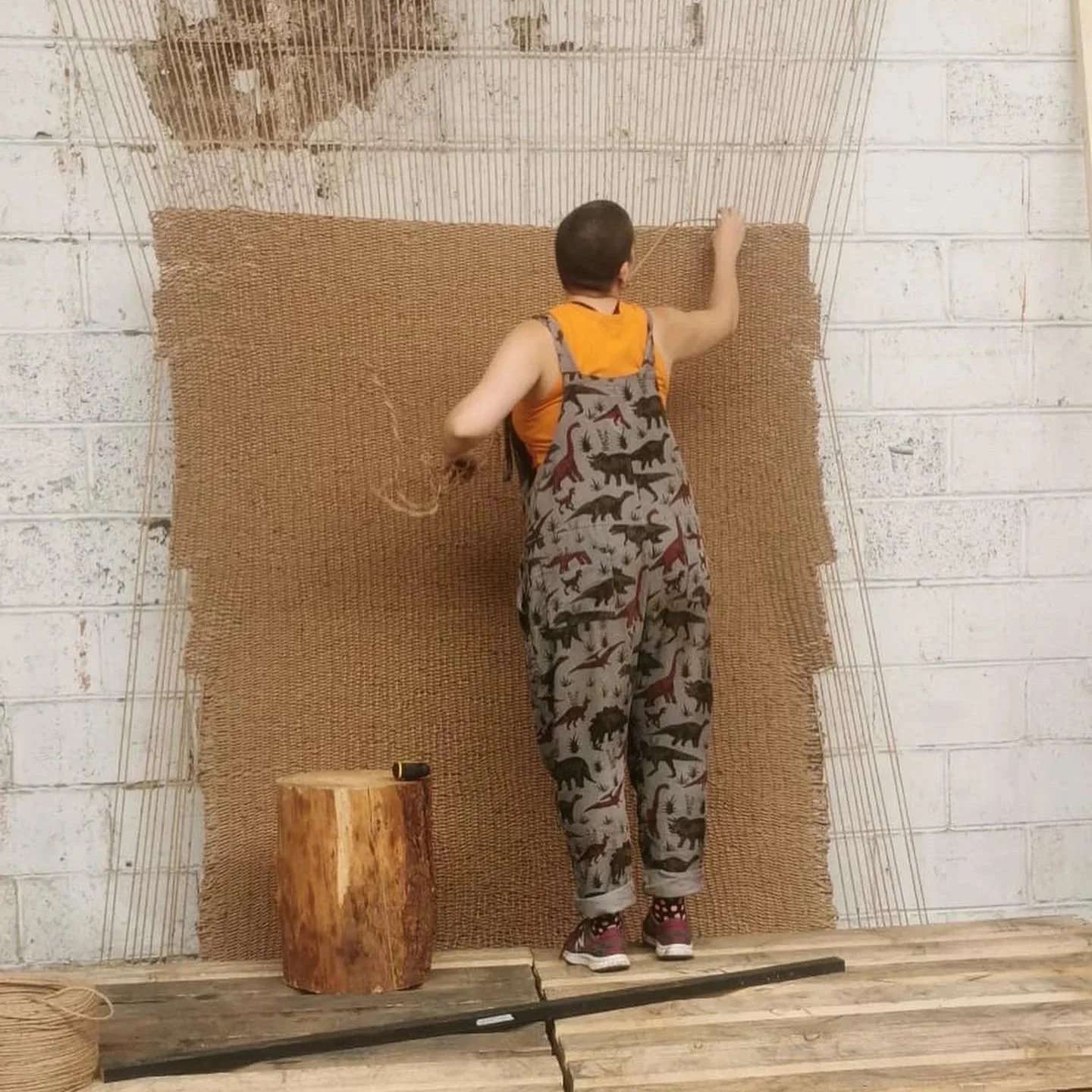
Heritage Crafts recently published the latest edition of their Red List of Endangered Crafts, the UK's definitive report on which traditional skills are at risk of disappearing within a generation. It made for sobering reading. Dozens of crafts are now classified as endangered or critically endangered, many of them textile techniques that have been passed from hand to hand, generation to generation, over centuries.
At Sandpit Creations, textiles are one of the many crafts running through our work and reading that report reaffirmed something we already believed, that the projects we build, and the skills we champion within them, matter more than ever.
The knowledge is only ever one generation away from gone
Heritage crafts aren't typically taught in classrooms or written down in manuals. They're taught by watching, by doing, by someone patient enough to show you how their hands move. That's what makes them so rich, and so fragile. If a skill isn't passed on, it doesn't fade slowly, it stops, and once it stops, it's extraordinarily hard to bring back.
That's part of why we keep hand skills at the centre of what we do. Every embroiderer, weaver, felter or leatherworker we bring into a project isn't just producing a finish, they're keeping a craft economically and culturally alive, one commission at a time.
In a world of AI, hands are the point
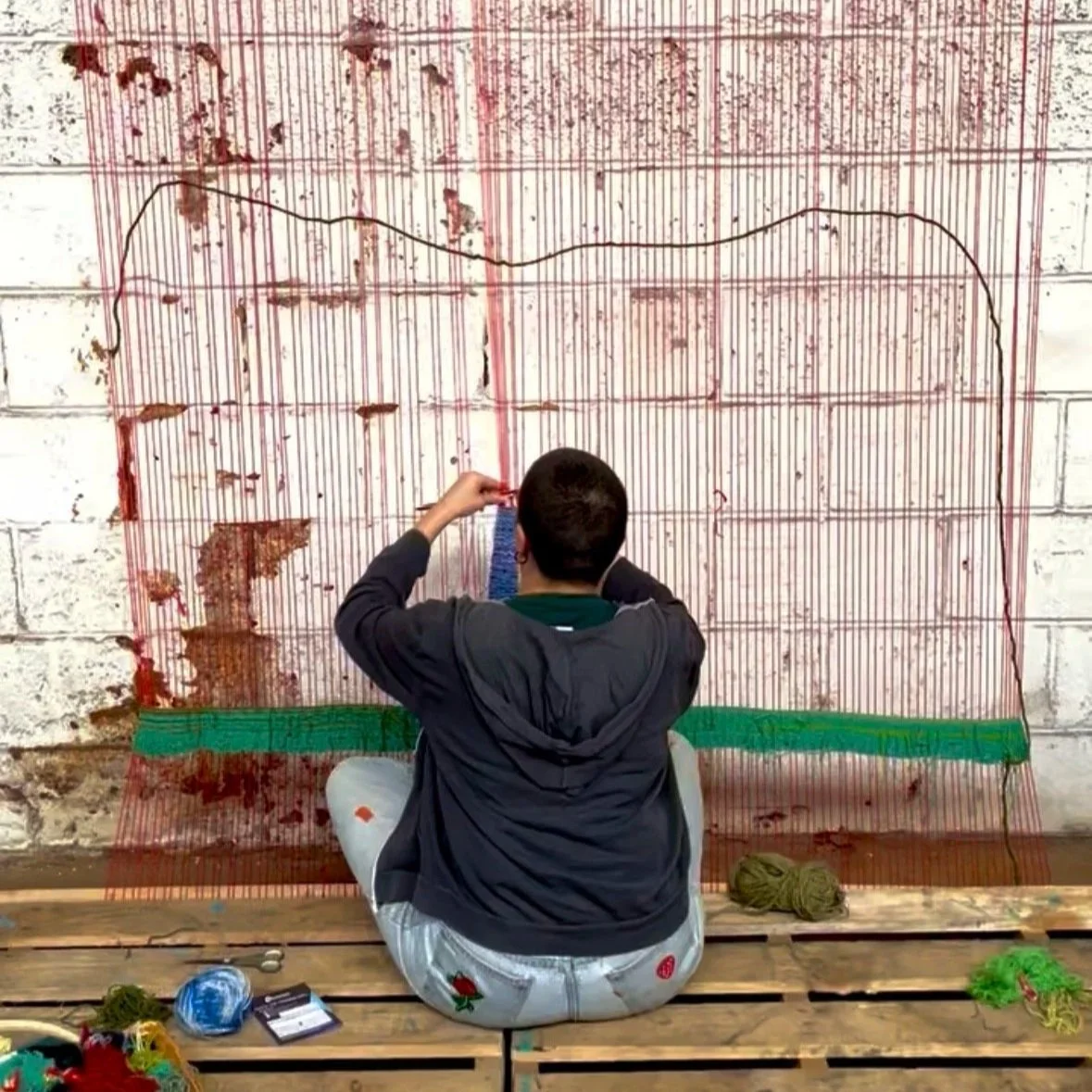
We're living through a moment where more and more of what we see has been generated rather than made. That makes genuine hand skill more valuable, not less. There's no algorithm that can replicate the particular tension in a piece of hand weaving, or the tiny inconsistencies in hand embroidery that prove a real person, with real time and real intention, made this. Heritage craft is proof of authenticity in a way almost nothing else can be right now, and it's also a thread back to culture, ancestry and place that's worth protecting on its own terms.
Texture is the thing marketing forgot
Look around at most marketing and brand experiences today and you'll notice something, it's almost all flat. Printed, screened, scrolled. Beautiful, often, but essentially two dimensional and something to be looked at rather than felt.
That's exactly the gap we try to work in. Texture is rare in this industry, and that rarity is precisely what makes it powerful. Touch does something that a print finish or a digital screen simply can't, it pulls people out of passive viewing and into a physical, sensory relationship with a brand. Even the visual suggestion of texture, the sense that something could be touched, that it has weight and grain and imperfection and therefore makes an experience feel more immersive and, subconsciously, more valuable.
How this shows up in our work
This is where the craft list stops being theoretical and starts being tactile. Some of the ways we bring texture and heritage skill into brand experiences and activations include:
Hand embroidery as a finish on brand collateral, garments and installation pieces, bringing a level of detail and individuality that no printed alternative can match.
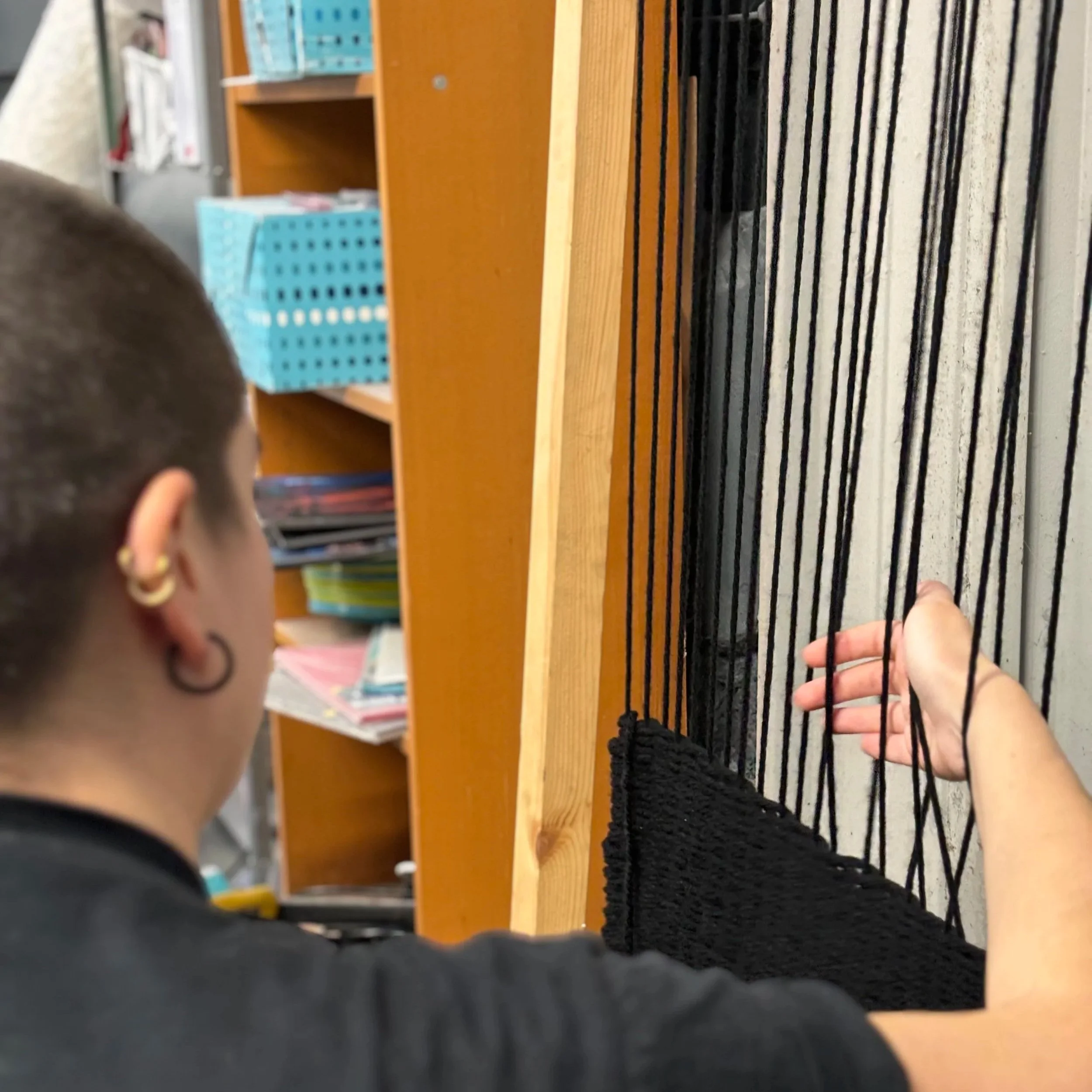
Hand-woven structures, including a hand-woven stand we've developed that turns the display itself into part of the story, a physical, textural centrepiece that gets people talking before they've even engaged with the brand behind it.
A wider toolkit across our team spanning felting, knitting, fair isle knitting, crocheting, leatherwork, stained glass, joinery, sculpting, fine art, sign writing, floristry, quilting and rag rug making, techniques we can draw on depending on what a brief calls for, each with its own texture, history and hand-skill behind it.
What it does for the people we make things for
Bringing texture and heritage craft into a customer experience or activation is extremely strategic to Sandpit and is key to making anything we touch, completely unique:
It makes an experience memorable in a way flat, screen-based marketing struggles to - people leave with a physical impression, not just a mental one
It proves, visibly, that a brand is investing in real people's skills rather than leaning on AI generation or mass production
It makes a brand stand out in a landscape that's increasingly homogenous and increasingly digital
It signals quality and intention, the kind of quality a customer can sense with their hands as well as their eyes
Small crafts, big responsibility
None of this is about nostalgia for its own sake. It's about recognising that these skills are genuinely at risk, and that every commission, every finish, every hand-woven or hand-embroidered detail we choose to include is a small act of keeping that knowledge in use. The Red List is a warning, and the truth is, we'd rather be part of the answer.
If you're thinking about how to bring more texture, tactility and craft into your next customer experience, we'd love to talk.
Evie